
Paper Folding Basics
Valley and mountain folds, the squash and the reverse fold, and how paper grain changes a crease in a humid room.
Read the folding guide →Clear, tested instructions for folding sheets, cutting clean shapes, and stitching simple books — written for damp coastal winters and dry prairie air alike.

Three core skills
Each guide stands on its own, but they build on one another. Crisp folds make cutting predictable; accurate cutting makes a square book block possible.
Valley and mountain folds, the squash and the reverse fold, and how paper grain changes a crease in a humid room.
Read the folding guide →
Where cutting joins folding: symmetry, bridges that hold a sheet together, and blade choices for clean edges.
Read the cutting guide →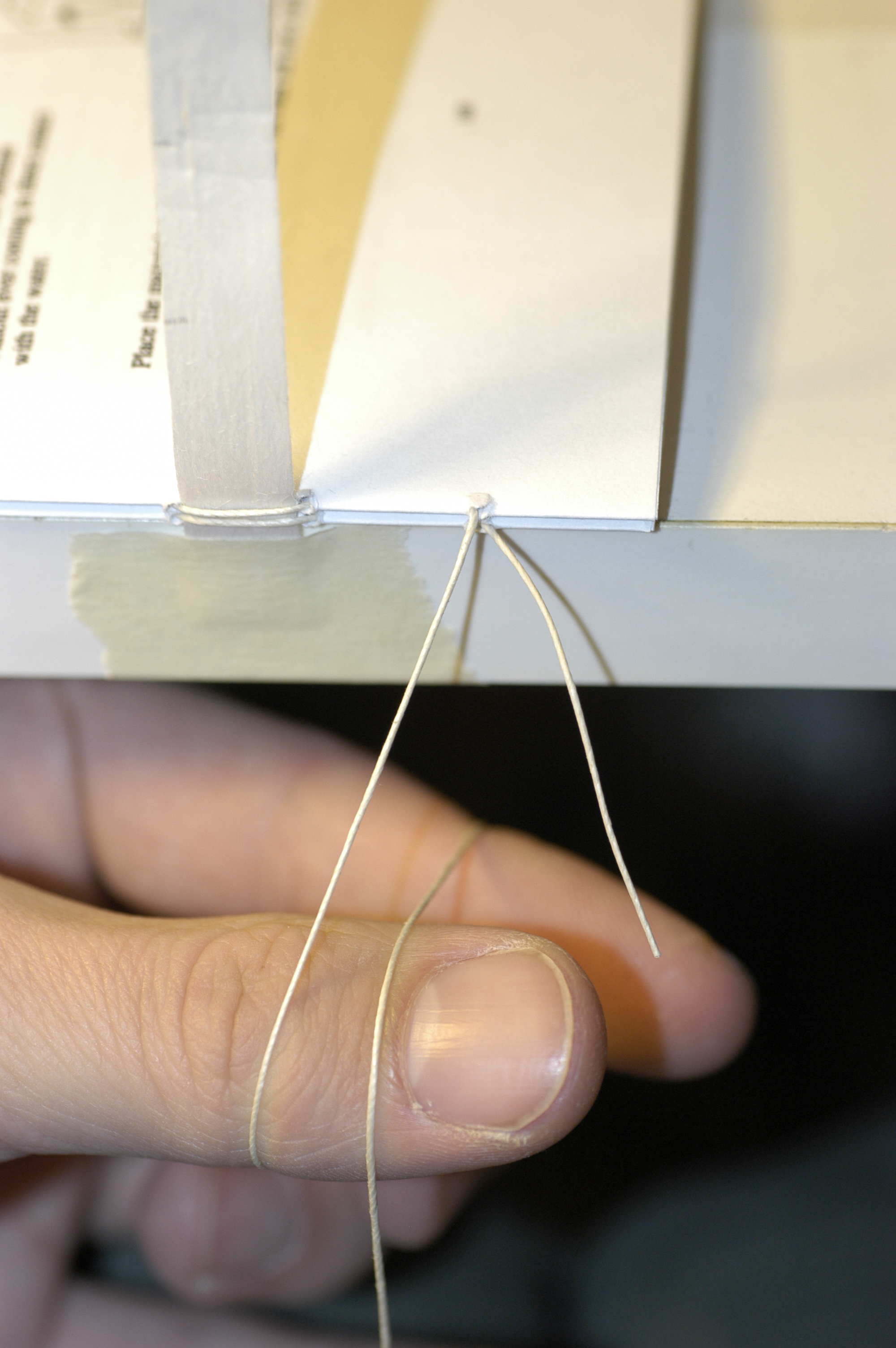
Turn folded sheets into a sewn pamphlet with three or five stations — the first binding most people finish in an afternoon.
Read the binding guide →Working in Canada
Paper takes on and loses moisture with the air around it. A sheet folded on a humid Vancouver afternoon can feel different from the same stock in a heated Winnipeg apartment in January, so let paper rest in the room before precise work.
Machine-made paper has a grain. Folds parallel to the grain are cleaner and crack less. Tear a small offcut both ways to find the easier tear before committing to a binding fold.
Art-supply shops and craft guilds across Canada stock book board, bookcloth, and linen thread. The Canadian Bookbinders and Book Artists Guild lists workshops and member resources nationwide.
Contact
Send a note and it will reach the editorial desk. This form runs entirely in your browser for this static reference; nothing is transmitted or stored on a server.